January 12, 2026
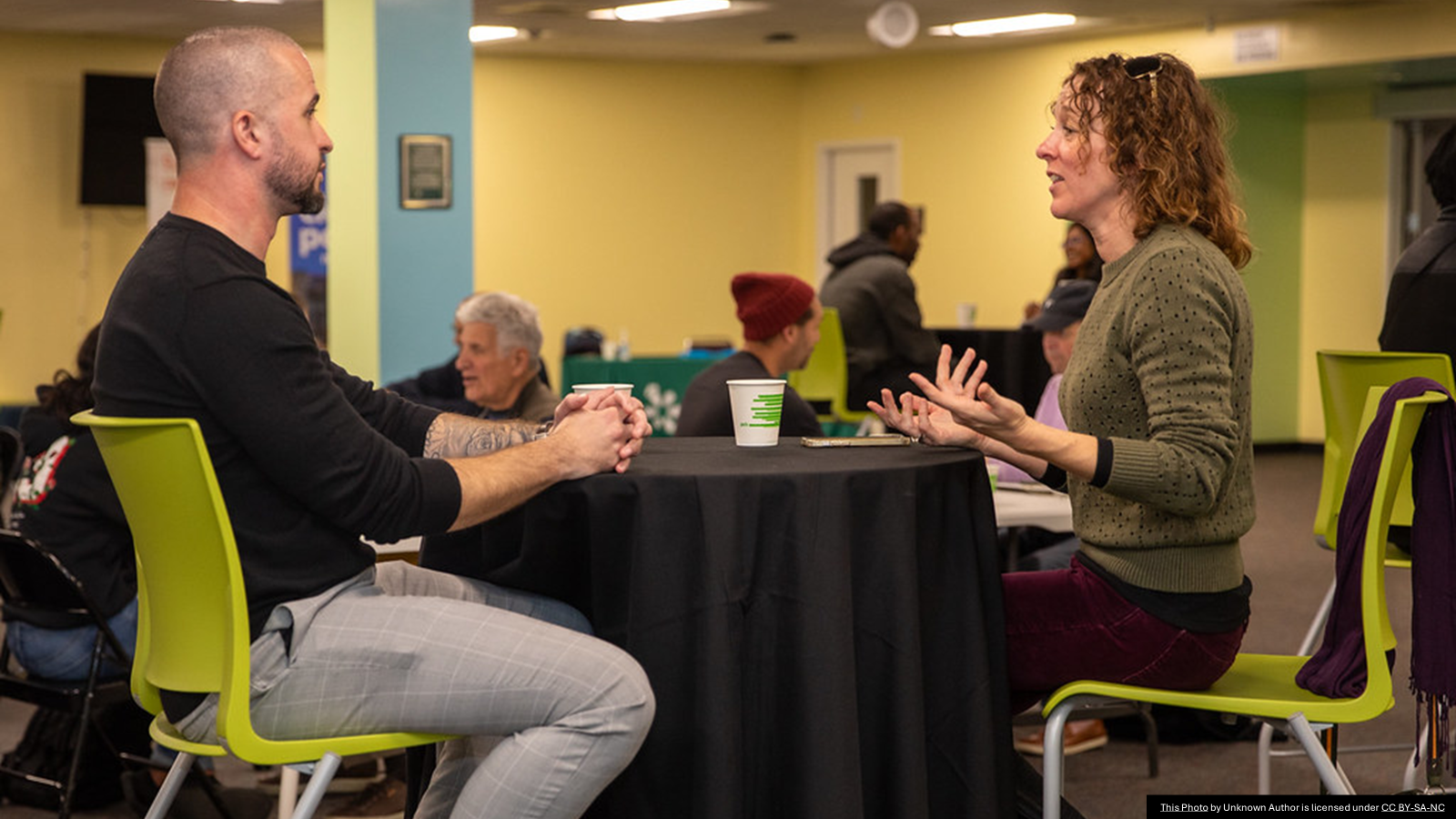
You’ve heard of Speed Dating! Try Speed Mentoring!
Speed Mentoring is a structured networking event where individuals – in the role of prospective mentee - rotate through short, focused conversations with multiple mentors. It’s fast-paced, energizing, and helps participants gain diverse perspectives in a short time.
It’s also a great way to introduce the concepts of mentoring to an organization if a mentoring program has never been offered previously or if the organization tried a mentoring program in the past but it was not successful.
But in order for this initiative to be successful, specific criteria and process flow need to be established. These five steps will ensure a successful initiative.
- SEND AN INITIAL COMMUNICATION
- Send out an initial communication that informs individuals what this initiative is about and the details and requirements for participation (i.e. how to participate as a mentor or prospective mentee, time, location, etc.).
- Provide contact information where individuals can ask questions regarding the initiative (i.e., “I can’t attend on the day offered, will this be offered again?”; or “I want to be a mentor, but I can’t attend the mentor kick-off – can I still participate?”; “How can I guarantee that I will get the mentor I want?”; etc.).
- If possible, include the names of the individuals that will be participating as mentors to allow prospective mentees to research individuals and prepare questions ahead of time.
- PREPARE YOUR MENTORS
- Provide a type of Role Description that outlines the qualifications and requirements to be a mentor in this initiative, so that everyone has the same expectations. There easily can be too many perceptions and mis-perceptions regarding the role of a mentor – and the success of your entire program can depend on the prospective mentor’s understanding of their role.
- Provide some initial training so mentors are prepared to answer the questions they may receive from a prospective mentee during the sessions. These could be about mentoring overall as well as this specific program or what questions the mentor may receive personally. This builds confidence on the part of the mentor as well as ensures consistency in communication about the program details.
- Provide “what if” scenarios so mentors can handle unexpected situations – specifically how to handle the time limits per visit, someone who only wants to be a mentee to get promoted, how to handle personal questions, etc.
- Provide information regarding next steps if a prospective mentee reaches out to the mentor.
- SET UP A ROOM APPROPRIATE TO THE SETTING
Nothing can ruin your initiative faster than having a bad first impression when mentors and mentees meet.
- As individuals first arrive, have someone greet them, indicate where participants can gather prior to the session beginning, and provide a “kick-off” speech to provide instructions on the process, answer initial questions, what happens next, etc. It is important for everyone to understand that this is a “networking” event and not a matching event.
- Make sure there is enough room for people to move around, not bump into each other and provide a clear flow of how people move from one setting to another.
- Ensure there are name tags for everyone involved, including their role (i.e., mentor or prospective mentee) and note pads for everyone to record important information that should not be forgotten (i.e., future contact information).
- HAVE PROCTORS AVAILABLE TO ANSWER QUESTIONS
- No matter how well you communicate initially or prepare your mentors, questions will come up that the mentor does not feel comfortable answering or questions that need answers right away. Make sure someone is available to provide assistance. It is so important that there is a consistency in the answers provided as again, there are many, many perceptions and mis-perceptions regarding the concepts of mentoring. One of your major goals is to ensure clear and concise understanding.
- The number of Proctors needed depends on the size of the audience, but a good rule of thumb is one Proctor for every 5-8 mentor tables/locations provided (if this is the first time you have held such an event, it is better to go with the lower number of tables/locations per Proctor).
- As there is a time limit set for each visit, Proctors can also ensure that people move along as needed.
- Use a timer and clear signals for transitions.
- WRAP UP AND FOLLOW-UP ON NEXT STEPS
Make sure that before anyone leaves, there is a wrap up session.
- Make sure that you allow time for any last-minute questions or comments. The questions received can provide insight regarding what may be needed to improve the next initiative.
- Ensure that everyone has a clear understanding regarding next steps and the timelines involved.
- We suggest that a wrap-up session is held with the mentors and Proctors, to obtain their feedback regarding how the process went and possible improvements for the next initiative. Be sure to include items such as length of time for each network meeting, number of participants (too many/too few), most common questions received, any additional preparation needed so the mentors feel more prepared, etc.
- Based on some of the feedback from the previous mentor wrap-up, within 1 week, send out an Evaluation Survey to everyone that participated and provide a Summary document for appropriate individuals.
- While all information is fresh, determine any changes that need to be included in the next initiative.
Following these five simple steps will ensure a successful and uncomplicated Speed Mentoring event. Try it – it’s fun!

Topic:
Mentoring
Related Posts


November 4, 2024
How To Find The Right Mentor For You
How To Find The Right Mentor For You Having the guidance and ...
Read more
October 21, 2024
How To Establish A Successful Corporate Mentoring Program
How To Establish A Successful Corporate Mentoring Program
Read more
October 7, 2024
How Mentoring Is Helping Solve The Labor Shortage
How Mentoring Is Helping Solve The Labor Shortage The labor shortage has become a pressing issue for businesses across industries, with ...
Read more